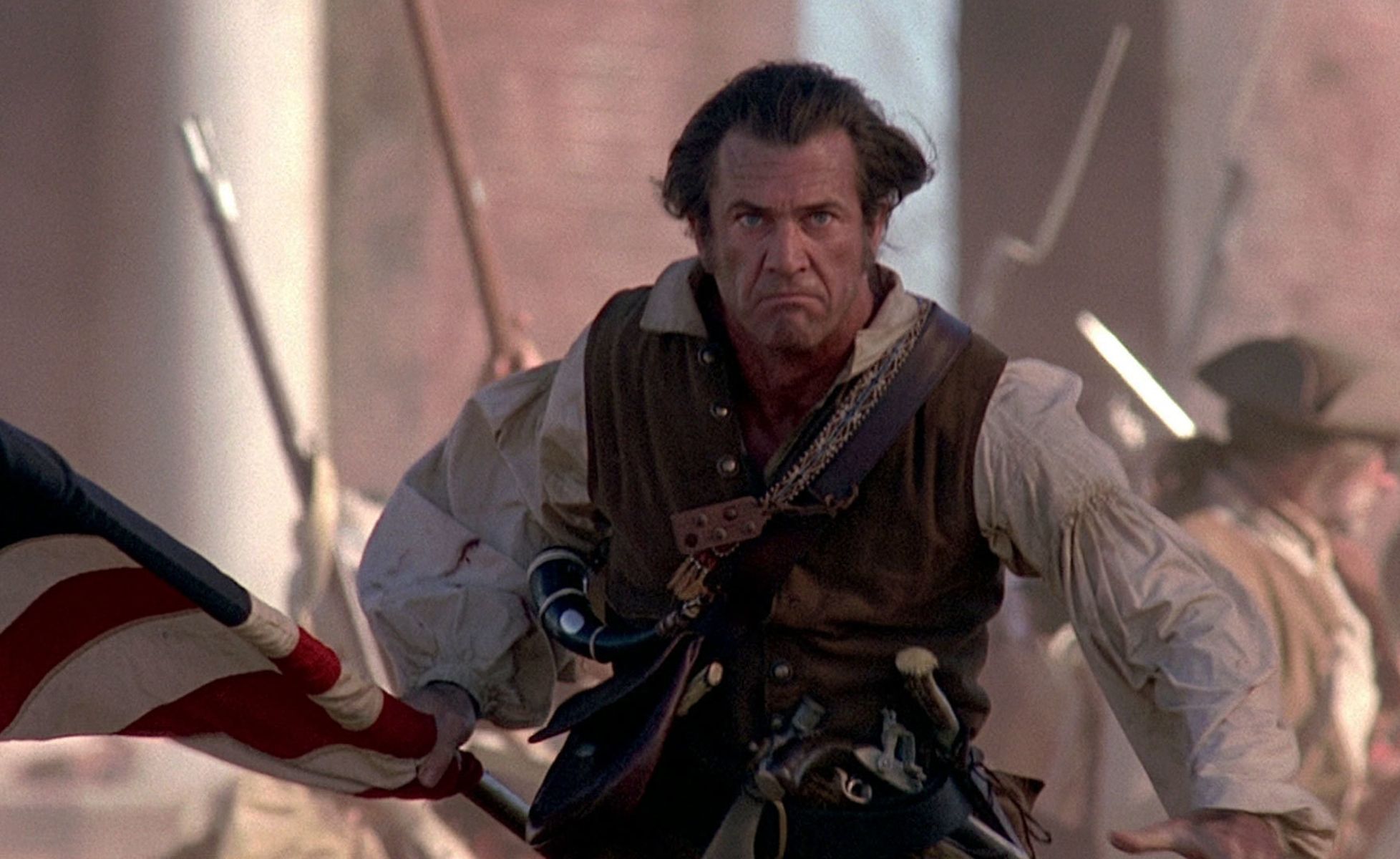

Film Treatment: Judah Maccabee and the Book of Maccabees
Title: The Hammer of God
Genre: Historical Epic/Action Drama
Tone: A mix of the raw intensity of Braveheart and the spiritual gravitas of The Passion of the Christ, with a focus on faith, courage, and the fight for freedom.
LOGLINE:
In a time of brutal oppression, Judah Maccabee, a reluctant warrior of faith, rises to lead a small band of Jewish rebels against the might of the Seleucid Empire, reclaiming their sacred temple and igniting a revolution that will inspire generations to come.
SETTING:
The story is set in 2nd century BCE Judea, a land caught between the Hellenistic culture imposed by the Seleucid Empire and the Jewish people’s ancient traditions. The film captures the harsh realities of war, the beauty of faith, and the tension between assimilation and resistance.
ACT I: THE CALL TO RESISTANCE
- Opening Scene:
The film begins with the desecration of the Second Temple in Jerusalem by King Antiochus IV Epiphanes. The holy altar is defiled with pagan sacrifices, and Jewish practices are outlawed under penalty of death. The camera lingers on the anguish of the Jewish people, juxtaposed with the opulence of the Seleucid court. - Introduction to Judah Maccabee:
Judah is introduced as a humble farmer and the third son of Mattathias, a respected priest. He is strong, devout, but reluctant to take up arms. His father’s fiery speech in the town square condemning the Seleucid decrees marks the beginning of open defiance. - Inciting Incident:
Mattathias strikes down a Jewish man who attempts to offer a pagan sacrifice and kills the Seleucid officer enforcing the decree. This act of rebellion forces the family to flee into the wilderness, where they gather a small group of followers. - Judah’s Reluctance:
Judah struggles with the weight of his father’s expectations and the moral implications of violence. Mattathias, on his deathbed, names Judah as the leader of the rebellion, calling him “The Hammer” (Maccabee) for his unyielding faith.
ACT II: THE RISE OF THE MACCABEES
- Formation of the Rebel Army:
Judah trains his ragtag group of farmers, shepherds, and priests into a disciplined fighting force. The audience sees their camaraderie, struggles, and unwavering faith. - Guerrilla Warfare:
The Maccabees launch a series of daring attacks against Seleucid forces, using their knowledge of the terrain to outmaneuver their enemies. These scenes are gritty and visceral, showcasing Judah’s growing confidence as a leader. - The Moral Struggle:
Judah wrestles with the cost of war as he witnesses the suffering of his people and the loss of comrades. He turns to prayer and scripture for guidance, reinforcing his belief that their cause is just. - Antiochus’s Response:
The Seleucid Empire dispatches larger and more brutal forces to crush the rebellion. General Nicanor, a ruthless and cunning commander, becomes Judah’s primary adversary.
ACT III: VICTORY AND SACRIFICE
- The Battle of Emmaus:
The climax of the film is the Battle of Emmaus, where Judah’s vastly outnumbered forces face the Seleucid army. The battle is depicted in stunning detail, with Judah delivering an impassioned speech about faith and freedom. Against all odds, the Maccabees achieve a miraculous victory. - Reclaiming the Temple:
The Maccabees march triumphantly into Jerusalem and reclaim the desecrated Temple. The audience experiences the emotional and spiritual weight of the moment as Judah leads the purification and rededication of the Temple. - The Miracle of Hanukkah:
The film concludes with the lighting of the menorah, using the small amount of consecrated oil that miraculously burns for eight days. This act symbolizes God’s favor and the enduring spirit of the Jewish people. - Judah’s Reflection:
In a quiet, introspective moment, Judah reflects on the sacrifices made and the cost of freedom. He acknowledges that the fight is far from over but takes solace in the knowledge that their faith has endured.
CHARACTERS:
- Judah Maccabee: A reluctant hero who evolves into a fearless leader, driven by faith and love for his people.
- Mattathias: Judah’s father, whose defiance sparks the rebellion.
- Nicanor: A cunning Seleucid general, serving as the primary antagonist.
- Hannah: Judah’s sister, a symbol of the resilience of Jewish women during the rebellion.
- Eleazar: Judah’s loyal brother, whose courage inspires the troops.
THEMES:
- Faith vs. Oppression: The power of faith to unite and inspire resistance against tyranny.
- Sacrifice: The cost of freedom and the personal sacrifices required to achieve it.
- Identity and Tradition: The struggle to preserve cultural and religious identity in the face of assimilation.
VISUAL STYLE:
The film combines the sweeping landscapes and epic battles of Braveheart with the intimate, spiritual moments of The Passion of the Christ. The lighting shifts from the oppressive darkness of Seleucid rule to the warm, golden glow of the Temple’s rededication.
ENDING NOTE:
The film closes with a title card explaining the historical significance of the Maccabean Revolt and the origins of Hanukkah, leaving the audience with a sense of inspiration and hope.
Here are some powerful lines for Mattathias, played by Mel Gibson, capturing his fiery passion, unwavering faith, and defiant spirit as he inspires his people and passes the torch to Judah Maccabee:
Scene: Mattathias Defies the Seleucid Officer
(Mattathias stands before a crowd in the town square, surrounded by his sons and neighbors. A Seleucid officer demands he offer a pagan sacrifice.)
MATTATHIAS
(to the officer, voice filled with righteous fury)
“You dare demand that I betray my God? That I defile the covenant my ancestors bled to uphold? No man, no king, no empire will ever bend me to such blasphemy!”
(He turns to the crowd, his voice rising.)
MATTATHIAS
“My brothers, how long will we kneel before false idols? How long will we trade our faith for fear, our freedom for chains? The God of Abraham, Isaac, and Jacob calls us to stand, to fight, to reclaim what is holy!”
Scene: Mattathias Passes the Torch to Judah
(On his deathbed, Mattathias speaks to Judah, his third son, and the other Maccabees.)
MATTATHIAS
(to Judah, weak but resolute)
“My son, I have carried the weight of this fight as far as my years allow. Now, it falls to you. You are the hammer, Judah. God’s hammer. With His strength, you will shatter the might of our enemies.”
(He grips Judah’s hand tightly.)
MATTATHIAS
“Do not falter. Do not fear. The God who parted the sea, who brought down Jericho’s walls, He walks with you. Lead our people with courage, with faith, and with the fire of justice burning in your heart.”
Scene: Rallying the People Before the Rebellion
(Addressing the people after a Seleucid officer desecrates the altar.)
MATTATHIAS
(to the crowd, his voice trembling with emotion)
“They have defiled our Temple. They have mocked our God. And they think we will bow like sheep to the slaughter. But I say this: we are not sheep. We are lions! The God of Israel is our shepherd, and with Him, we shall fear no evil!”
(He raises his fist.)
MATTATHIAS
“If we must die, let us die as free men, with God’s name on our lips and His law in our hearts. Rise with me, my brothers. For our faith, for our families, for our freedom!”
Scene: A Quiet Moment with Judah
(After a small victory, Mattathias reflects with Judah by a campfire.)
MATTATHIAS
(to Judah, gazing at the fire)
“Victory is not won with swords alone, my son. It is won with faith. Faith in God, faith in each other, and faith that even in the darkest hour, the light will come. Remember that, Judah. When the burden feels too great, look to the heavens. The God who made the stars will guide you.”
These lines reflect Mattathias’ fiery leadership, deep faith, and fatherly wisdom, perfectly suited for Mel Gibson’s commanding presence and emotional depth. Let me know if you’d like to expand or refine them further!
Here are some stirring lines for Judah Maccabee, played by Joseph Christian Jukic. These lines highlight Judah’s transformation into a leader, his struggles with the burden of leadership, and his unwavering faith in the face of overwhelming odds:
Scene: Judah Accepts Leadership
(After Mattathias’ death, Judah addresses the gathered rebels.)
JUDAH
“My father was a great man, a man of unshakable faith and courage. I am not him. I am just a man—a farmer, a son, a brother. But I know this: our fight is just. Our God is with us. And though I am unworthy, I will carry this mantle, not for glory, but for the freedom of our people.”
(He looks at the rebels, his voice steady.)
JUDAH
“We may be few, but the strength of our hearts and the righteousness of our cause will make us mighty. Together, we will rise, and together, we will stand against the darkness.”
Scene: Rallying the Troops Before Battle
(Judah stands before his army, preparing them for a battle against overwhelming odds.)
JUDAH
“Look at us. Farmers, shepherds, priests. No one would call us warriors. But warriors are not made by swords or armor. Warriors are made by the fire in their hearts and the faith in their souls.”
(He pauses, scanning the faces of his men.)
JUDAH
“They come with their armies, their chariots, their banners of oppression. But we come with the name of the Lord! And with Him, we are more than an army—we are a storm. A hammer that will break their chains and shatter their idols!”
(He raises his sword high.)
JUDAH
“Today, we fight not just for ourselves, but for our children, for our faith, for our God. Stand with me, and we will show them that the spirit of Israel cannot be broken!”
Scene: Judah Reflects on the Cost of War
(After a hard-fought victory, Judah sits alone, staring at the stars. A friend approaches.)
JUDAH
(softly, almost to himself)
“Victory tastes of ashes. For every battle we win, I see the faces of those we’ve lost. Good men, brave men. How many more will we bury before this is over?”
(He turns to his friend, his voice heavy with emotion.)
JUDAH
“I ask myself every night—am I doing the right thing? Am I leading them to freedom, or to their deaths? But then I remember my father’s words: ‘The God who made the stars will guide you.’ And I look up, and I find the strength to carry on.”
Scene: Judah’s Final Stand
(Judah addresses his troops before the climactic battle.)
JUDAH
“Brothers, today we stand at the edge of history. They say we cannot win, that we are too few, too weak. But they forget one thing: we do not fight alone. The God of our fathers fights with us!”
(He grips his sword tightly, his voice fierce.)
JUDAH
“If we die today, we die with honor, with our faith unbroken and our heads held high. But if we live—if we win—then we will show the world that no empire, no king, no army can stand against the will of the Almighty!”
(He raises his sword.)
JUDAH
“For Israel! For freedom! For God!”
These lines give Judah a mix of humility, determination, and spiritual strength, perfect for an actor like Joseph Christian Jukic who can embody the emotional depth and heroic resolve of this iconic figure. Let me know if you’d like to expand on any particular scene or theme!
Here are some compelling lines for Hannah, played by Michelle Jukic, showcasing her strength, wisdom, and unwavering support for her brother Judah. Hannah represents the resilience of women in times of struggle and provides an emotional anchor for Judah and the rebellion.
Scene: Encouraging Judah Before His First Battle
(Hannah finds Judah sitting alone, sharpening his sword, weighed down by the burden of leadership.)
HANNAH
“Judah, you carry the weight of the world on your shoulders, but you forget—you don’t carry it alone. Every prayer whispered in the dark, every tear shed for our people, it strengthens you. It strengthens us.”
(She kneels beside him, placing her hand on his.)
HANNAH
“You are more than a leader. You are a light in this darkness. And no matter how fierce the storm, I will stand with you. We all will.”
Scene: Hannah Confronts a Doubter in the Camp
(A rebel expresses fear and doubts Judah’s leadership in front of the group. Hannah steps forward, her voice calm but firm.)
HANNAH
“You question my brother, but have you seen what I’ve seen? Have you seen the fire in his eyes when he speaks of freedom? The faith that drives him forward when the odds are impossible? He doesn’t fight for glory. He fights for you, for all of us.”
(She steps closer to the doubter, her voice rising.)
HANNAH
“If you cannot see that, then you don’t belong here. But if you believe, even a little, then stand with us. Stand with Judah, and see what faith can do.”
Scene: Hannah and Judah Share a Quiet Moment
(After a small victory, Hannah tends to Judah’s wounds. They share a quiet conversation by the fire.)
HANNAH
“You’ve always been the strong one, Judah. Even when we were children, you’d protect us from every bully, every storm. But strength isn’t just in your sword. It’s in your heart. It’s in the way you never stop believing, even when the rest of us falter.”
(She smiles softly, dabbing a cut on his arm.)
HANNAH
“Remember, you’re not just fighting for the people who follow you. You’re fighting for the ones who come after us—the children who will never know this fear, this pain, because of what you’ve done.”
Scene: Hannah’s Prayer Before the Final Battle
(Hannah stands before a group of women and children, leading them in prayer as Judah and the men prepare for the final battle.)
HANNAH
“God of Abraham, Isaac, and Jacob, hear our cry. Protect our brothers, our fathers, our sons, as they stand against the darkness. Give them courage when they feel fear, strength when they feel weak, and light when the world seems lost.”
(She looks up, her voice filled with conviction.)
HANNAH
“And if this is the hour of sacrifice, let it not be in vain. Let their faith shine as a beacon for generations to come. Amen.”
These lines reflect Hannah’s strength, compassion, and role as a moral and emotional compass for Judah and the rebellion. Michelle Jukic’s portrayal would bring depth and warmth to this pivotal character. Let me know if you’d like to develop her further!
Here are some stirring lines for Eleazar, played by Bruno Jukic, Judah’s brother. Eleazar is brave, loyal, and often acts as a steadying presence for Judah while grappling with his own fears and sacrifices. His character embodies the fierce love of family and the courage to face overwhelming odds.
Scene: Eleazar Encourages Judah Before a Critical Decision
(Judah is torn between pressing forward or retreating to save lives. Eleazar approaches him.)
ELEAZAR
“Judah, I’ve followed you into every battle, and I’ll follow you into this one too. But know this—you’re not just my brother. You’re the heart of this rebellion. Without you, we have no hope.”
(He places a hand on Judah’s shoulder.)
ELEAZAR
“You’ve carried us this far, and I know the weight feels unbearable. But you’re not alone. We stand with you. I stand with you. Whatever you choose, we’ll fight, and we’ll fight together.”
Scene: Eleazar Addresses the Troops Before a Battle
(Eleazar rallies a group of men who are faltering under the fear of an approaching Seleucid army.)
ELEAZAR
“Look around you. What do you see? Farmers, shepherds, priests—men who were never meant to be soldiers. But here we are, standing together, defying an empire that thought it could break us.”
(He draws his sword, his voice growing stronger.)
ELEAZAR
“They have their armies, their chariots, their gold. But we have something they will never understand: faith. Faith in our God, in our cause, and in each other. That’s what makes us strong. That’s what makes us unstoppable!”
Scene: Eleazar’s Sacrifice
(In the heat of battle, Eleazar sees an opportunity to strike a decisive blow against the enemy, knowing it may cost him his life. He speaks to a fellow soldier before charging into danger.)
ELEAZAR
“This is it. The moment we’ve been fighting for. If I fall today, tell Judah… tell him I’m proud to be his brother. Tell him to keep fighting, no matter what.”
(He grips his weapon tightly, a determined look on his face.)
ELEAZAR
“God is with us. And if this is my hour, then let it be for something that matters. For our people. For our freedom.”
Scene: Eleazar Reflects with Judah
(After a victory, Eleazar and Judah sit by a campfire, exhausted but alive.)
ELEAZAR
“You know, Judah, when we were boys, I never imagined we’d end up here—leading an army, fighting an empire. Back then, our biggest worry was keeping the sheep out of the neighbor’s field.”
(He chuckles, then grows serious.)
ELEAZAR
“But this… this is bigger than us. Bigger than anything we could have dreamed. And no matter what happens, I’m proud to stand by your side. To call you my brother.”
Scene: Eleazar’s Final Words
(If Eleazar dies in the story, his final words are to Judah, who cradles him in his arms.)
ELEAZAR
“Judah… don’t stop. Don’t let this fight end with me. Our people need you. They need the hammer.”
(He grips Judah’s hand, his voice fading but resolute.)
ELEAZAR
“I’ll see you again… in the light of God’s kingdom. Until then… keep fighting.”
These lines give Eleazar a mix of bravery, loyalty, and emotional depth, perfect for Bruno Jukic’s portrayal of this heroic and heartfelt character. Let me know if you’d like to explore more aspects of his role!
Here are some commanding and complex lines for Nicanor, the Greek general played by Jim Caviezel. Nicanor is a proud, cunning, and ruthless leader, but also a man capable of moments of introspection and doubt. These lines reflect his arrogance, strategic mind, and occasional glimpses of humanity.
Scene: Nicanor Taunts Judah Before Battle
(Nicanor stands before his army, addressing Judah and his rebels from across the battlefield.)
NICANOR
“Judah Maccabee! The so-called Hammer of Israel. You’re nothing more than a pebble under the heel of the Seleucid Empire. Surrender now, and I may spare the lives of your men. Resist, and I will grind you and your rebellion into dust.”
(He smirks, his tone mocking.)
NICANOR
“You speak of faith, of your God, as if it will save you. But where was your God when my armies crushed your villages? Where will He be when I stand over your broken body?”
Scene: Nicanor Strategizes with His Officers
(In his war tent, Nicanor lays out his plan to crush Judah’s forces.)
NICANOR
“Judah fights with passion, but passion is a double-edged sword. It blinds men to reason. We will exploit his pride, lure him into a trap, and strike when he least expects it.”
(He points to a map, his voice cold and calculating.)
NICANOR
“They think their God will deliver them. But gods don’t win battles—armies do. And we have the might of the greatest empire the world has ever known. This rebellion ends tomorrow.”
Scene: Nicanor Questions His Beliefs
(After a surprising defeat, Nicanor sits alone, staring into the fire. A junior officer approaches, but Nicanor waves him off.)
NICANOR
“Leave me. I need… a moment.”
(He clenches his fists, his voice low and bitter.)
NICANOR
“How? How did they defeat us? We had the numbers, the strategy, the strength. Yet they stand, and we fall. Is it possible… could their God truly be with them?”
(He shakes his head, trying to dismiss the thought.)
NICANOR
“No. It’s folly. Superstition. And yet… I cannot shake this doubt.”
Scene: Nicanor Confronts Judah in a Duel
(On the battlefield, Nicanor and Judah face off in a tense one-on-one combat. Nicanor speaks as they circle each other.)
NICANOR
“You fight well, Judah. I’ll give you that. But skill alone cannot save you. You’re a man fighting against the tide of history. The Seleucid Empire is eternal. Your rebellion is a fleeting spark.”
(He lunges, but Judah parries. Nicanor sneers.)
NICANOR
“Do you think your faith makes you invincible? That your God will strike me down? No, Judah. It is men who decide the fate of nations, not gods.”
Scene: Nicanor’s Final Words
(After being mortally wounded by Judah, Nicanor lies on the ground, bloodied but defiant.)
NICANOR
“You… you think this changes anything? My death is just a stone thrown into the river. The current will carry on. The empire… will carry on.”
(He coughs, blood staining his lips, his tone softening.)
NICANOR
“But you… you fight for something I can’t understand. Something greater than power. Perhaps… that is why you won.”
(With a final breath, he looks at Judah.)
NICANOR
“Don’t squander it, Maccabee. Don’t squander… what you’ve fought for.”
These lines give Nicanor depth and complexity, allowing Jim Caviezel to portray him as both a fearsome antagonist and a man capable of reflection and vulnerability. Let me know if you’d like to develop his character further!
Mel thinks Jim Caviezel is the savior GRCH!
I bet JC tells him he is the chosen on in secret.
You lose again Grease.
The womyn decide who the savior is Brrrno.
Remember that.